CNC Machined 5G Base Station Components | Precision Aluminum and Metal Parts for Telecom Infrastruct
Product basic information:
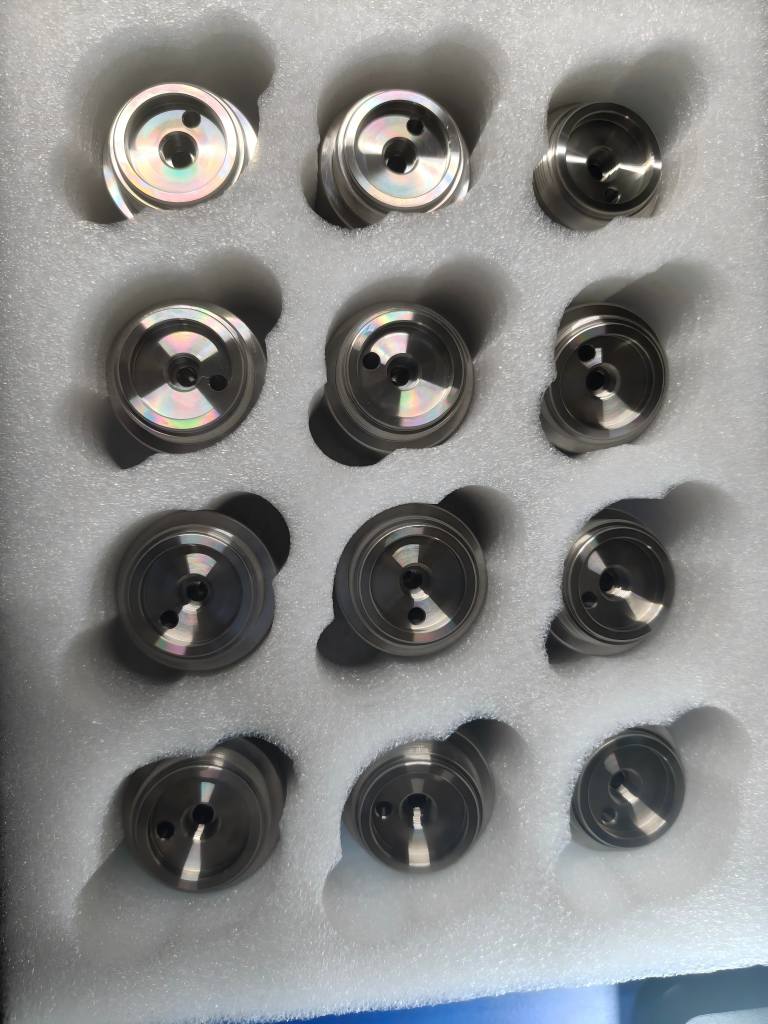
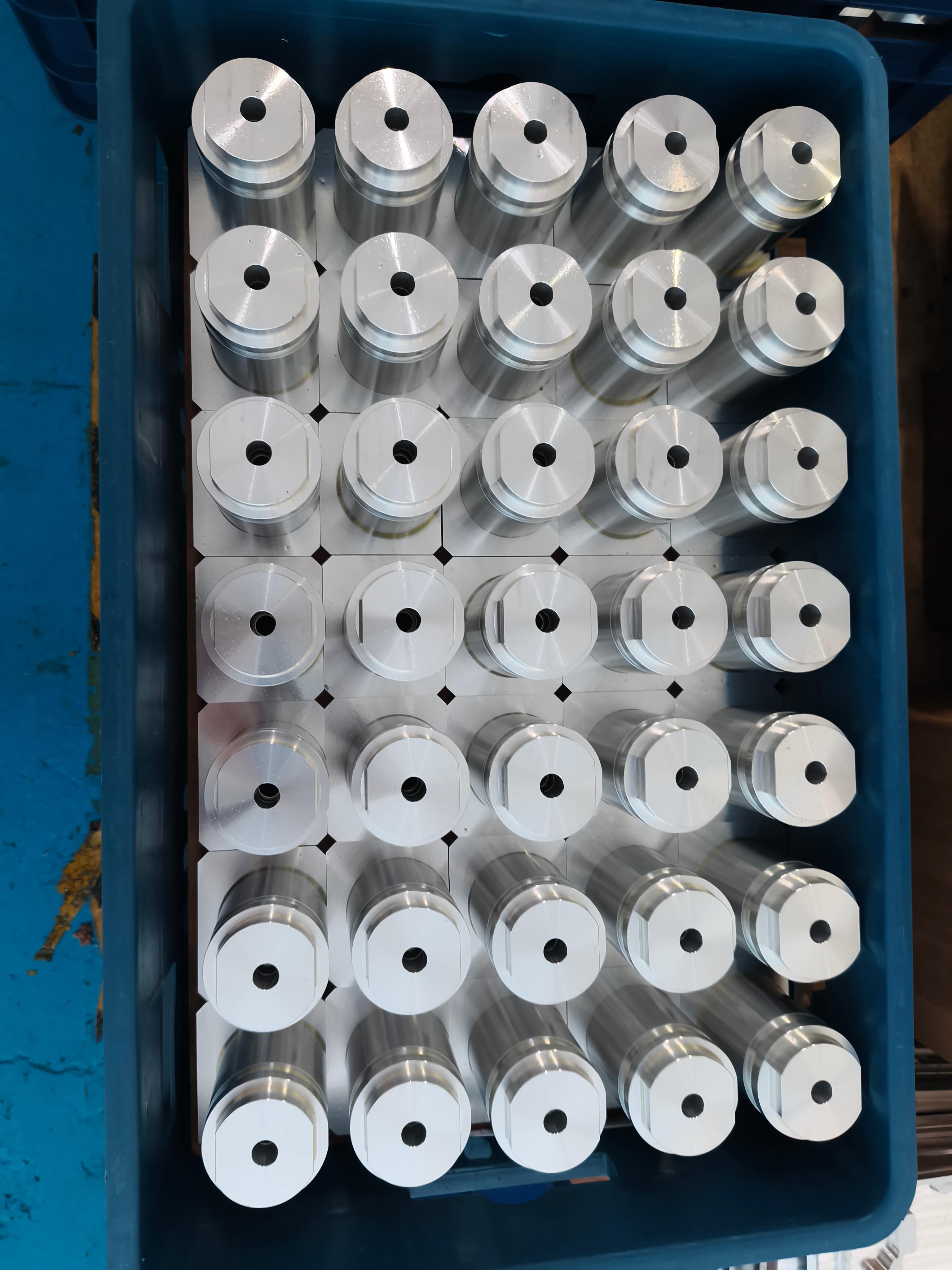
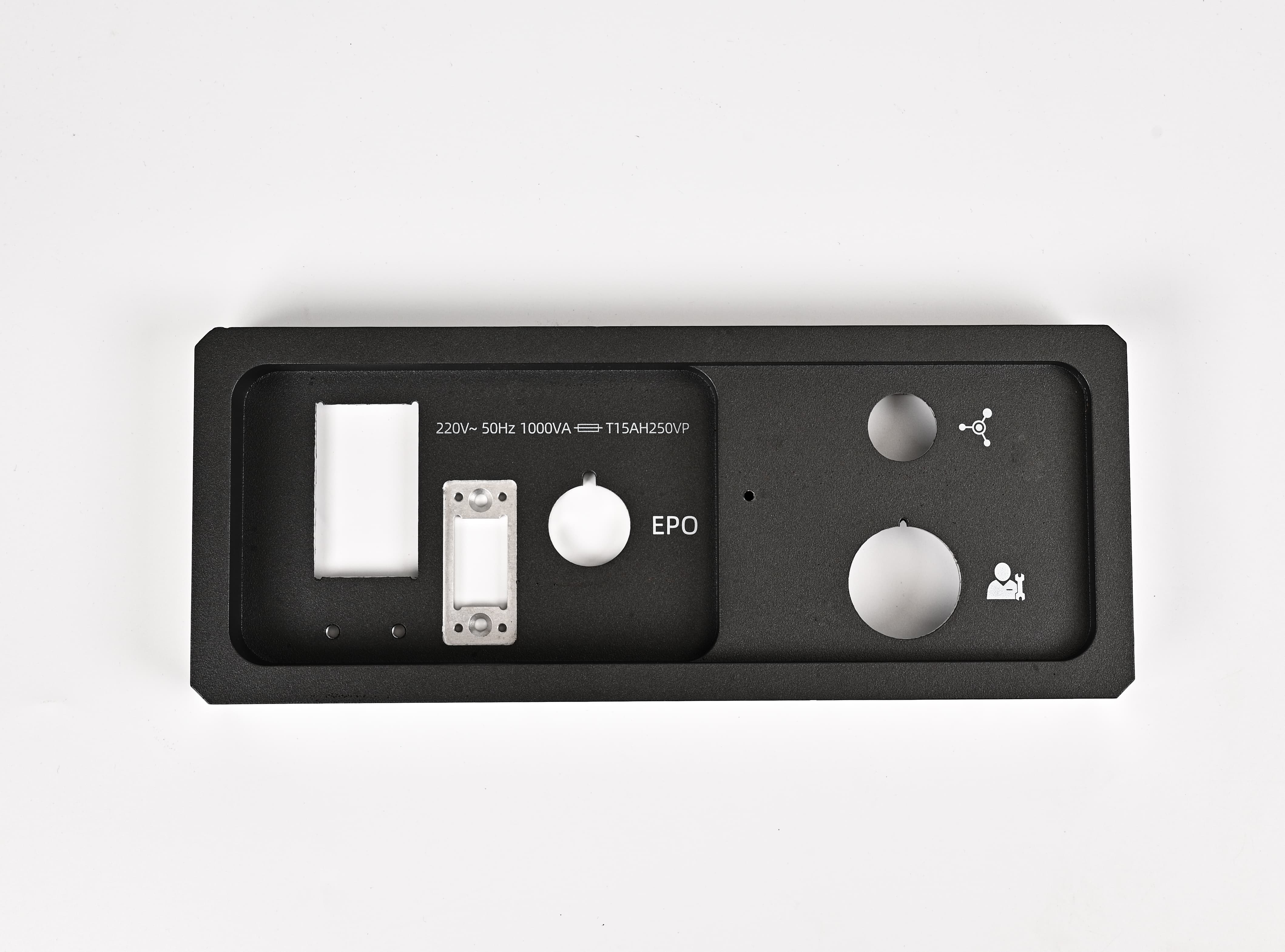
Part name: CNC Machined 5G Base Station Components
Material: Aluminum 6061
Finishing: Sandblasting +black anodizing
MOQ: Small order accept.
Delivery time: Sample 5-7 days;bulk production about 25-30 days.
Quality control: 100% inspection before shipping.
Shipping port: Shenzhen,Shanghai.
Shipping way: By air/by sea/by train or by express.
Packing: Normal packing or OEM packing.
Payment terms: By T/T.
Product Specification:
| Item | Specifications & Capabilities |
| Product Name | CNC Machined 5G Base Station Components |
| Material Available | Aluminum 6061, 6063, 7075, 5052, etc. |
| Machining Process | 3/4/5-Axis CNC Milling, CNC Turning, Drilling, Tapping |
| Tolerance | ±0.01mm to ±0.005mm(Customizable) |
| Surface Finish available | Bead Blasting, Anodizing (Hard/Clear/Black), Electrophoresis, Laser Engraving etc. |
| Application Industry | Medical devices,Robotics, Laser equipments,Semiconductors, Consumer electrical and Automation industry/ |
| Drawing Formats | STEP, IGES, DXF, DWG, PDF |
CNC Machined 5G Base Station Components
The performance of a 5G base station depends on far more than electronic design. Mechanical components play a critical role in signal stability, heat management, environmental protection, and long-term reliability.
As 5G networks continue expanding, equipment manufacturers are facing increasing demands for tighter tolerances, lighter structures, improved thermal performance, and faster product development cycles. This is where precision CNC machining becomes essential.
At ZHC Precision, we manufacture CNC machined 5G base station components for telecom equipment manufacturers, system integrators, and network infrastructure suppliers. From prototype development to repeat production, we support a wide range of precision parts used in outdoor communication systems and network equipment.
A typical 5G base station contains dozens of machined components that must work together under demanding operating conditions. These parts are exposed to temperature fluctuations, vibration, wind loads, humidity, and continuous operation throughout the year.
Many of the components we produce are used in:
Antenna mounting structures
RF module housings
Heat sink assemblies
Signal transmission modules
Communication equipment enclosures
Structural support brackets
Connector interfaces
Precision positioning components
Optical communication assemblies
Telecom equipment frames
For these applications, dimensional consistency is often just as important as material selection. Poor flatness, misalignment, or excessive machining variation can create assembly challenges that increase production costs and delay deployment schedules.